The increasing preference for experiences over possessions is a generational shift among consumers, and this approach can help connect them emotionally to brands. We know that a product demo you just observe is forgettable, whereas a space you can smell, hear, and physically move through sticks in the memory.
Technology enhanced brand experiences
To encourage ongoing engagement, brands have moved beyond one-off events to more personalised community-driven ecosystems. We asked our Experience Team leaders, Ali Mawas and Mike Robinson, how they see the events industry moving forward:
We see brands find the greatest success when technology supports the human experience, rather than it becoming the experience itself. People love tech but prefer people! Multi-sensory experiences slow people down with rich and varied interactions that appeal to our brains, creating a stronger memory of events through engaging sight, sound, touch, smell and taste.
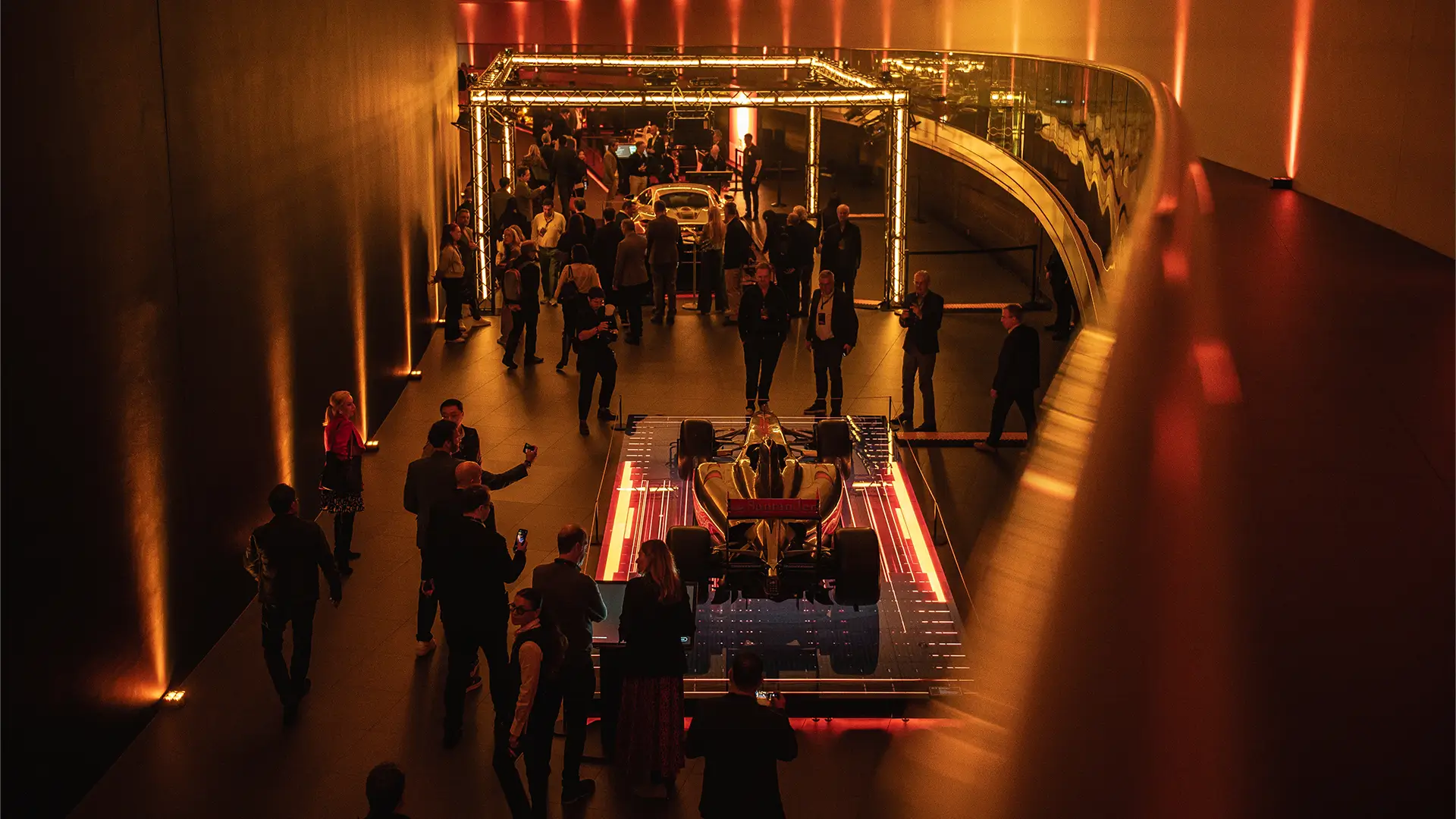
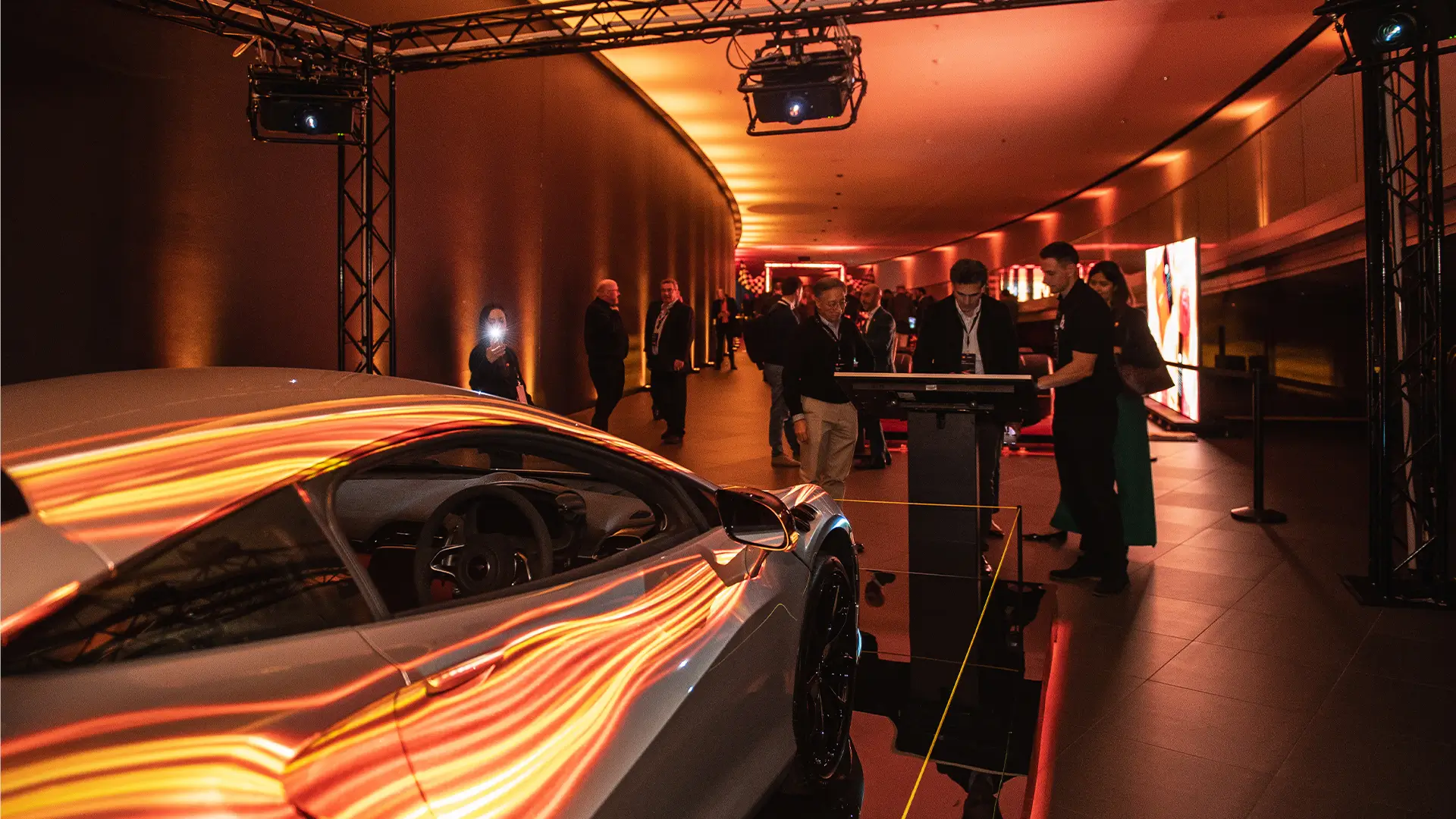
Mastercard Innovate 2025 showcased how multi-sensory experiences can transform complex technology stories into engaging, memorable brand moments. Hosted at the McLaren Technology Centre, the event combined sight, sound, touch, scent and taste with immersive technology, interactive demonstrations and experiential storytelling, helping senior stakeholders connect with Mastercard’s innovation in a more human and meaningful way.
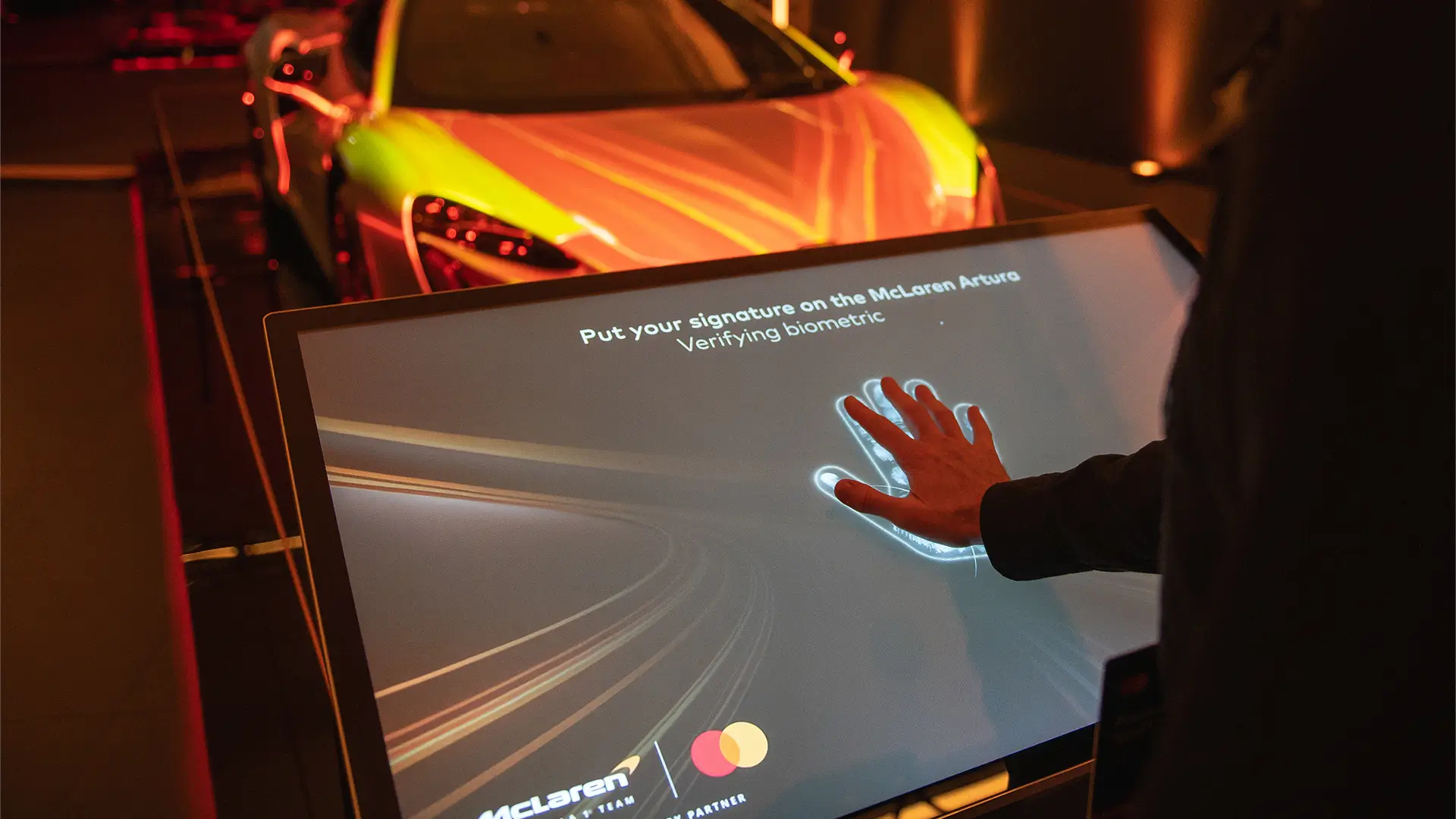
Multi-sensory experiences stimulate the brain and can help us develop an emotional connection to brands almost subconsciously – and in a world of five-second scrolls, an experience that asks someone to pause, notice and engage with something is doing what an ad simply can't.
Let’s get phygital
Another trend is the blending of the digital and the physical event space. To stand out in today’s crowded market, businesses are turning to blended activations to get the most out of both physical and digital interactivity with increased engagement at the heart of every experience.
For the team at big group, events are increasingly designed as experiences. With digital layers adding depth and interactivity to physical event environments, this ‘phygital’ approach delivers connected audience journeys that hit every touchpoint.
With technology always advancing, brands are increasingly developing interactive digital installations with access to AR and QR code-triggered content, in-depth event apps and curated personalised attendee journeys. By unlocking exclusive content, accessing additional product information and participating in interactive experiences, the digital augments and accentuates the physical. This hybrid approach gives attendees an incentive to interact digitally while being physically present at an event, and this encourages engagement at every turn.
Working closely with our Strategy and Technology teams, we create environments where attendees choose their own personalised experience and enjoy the best of both worlds through human interaction and digital discovery.
Mapping the event path
We’ve long understood the Experience Journey – a memorable welcome followed by building momentum, a ‘Big Impact’ moment and the importance of leaving a lasting impression. These key moments of Primacy, Peak and Recency – the first thing you see, the main thing to remember, and the feeling you leave with - form the framework of any event. By adding the physical to the digital we can deepen engagement and give people the confidence to be curious.
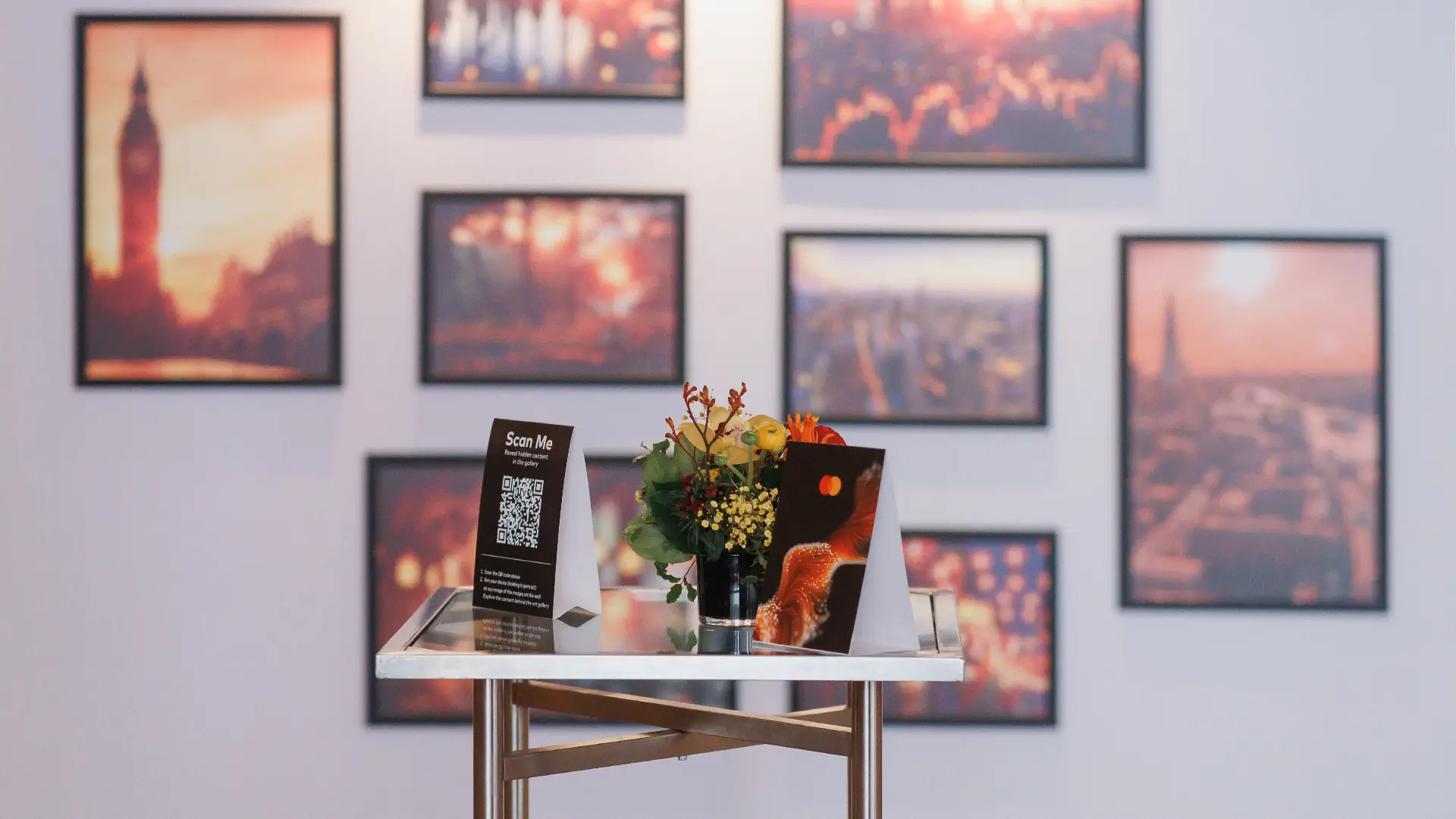
At the recent Mastercard Market Wide Campaign, ‘Momentum Matters’ at the Nobu Hotel London, we installed an AR Gallery in the foyer, creating a big welcome where attendees naturally gathered. Guests were invited to scan images on their devices, and these transformed into interactive product demonstrations, adding a digital layer to physical art and accessing an interactive product showcase seamlessly integrated into the real world.
This created a really engaging experience, enabled sales teams to begin more meaningful conversations, and showed how digital technology can enhance physical spaces.
Deepening engagement with artificial intelligence
As AI continues to evolve, the opportunity for the events industry lies in using this amazing technology to enhance connection, not replace it. Even with – and maybe despite of – the unprecedented growth of AI, live experiences remain fundamentally about meeting face to face. Technology today is increasingly powerful at creating engaging, memorable and meaningful experiences that bring complex stories to life and double down on interaction and understanding.
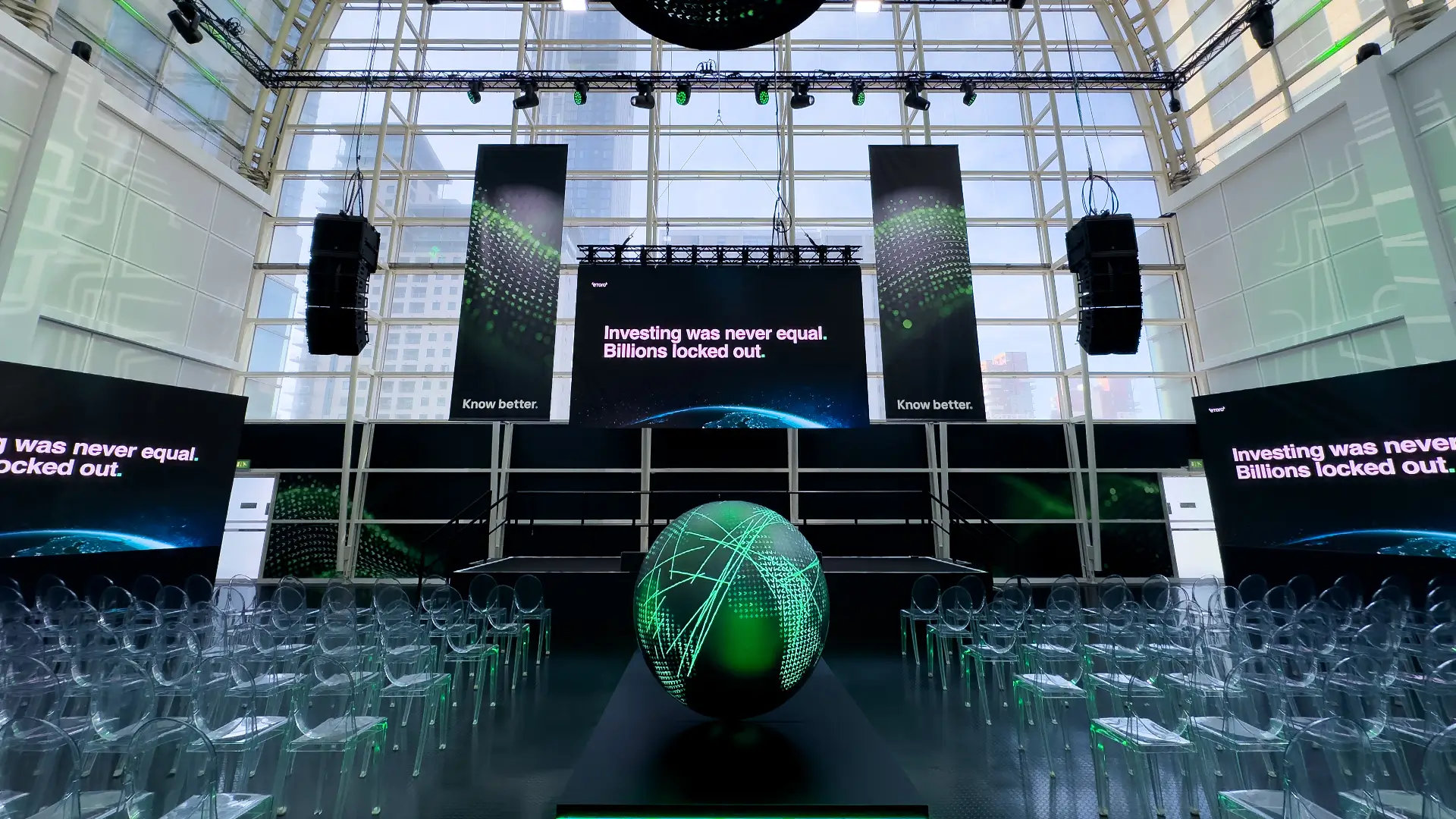
A recent example of an event where we brought people together both online and in person was when we launched a new brand identity for eToro in London.
eToro came to us to create a future-facing launch experience at London's Pelligon to unveil Tori, their new AI assistant, alongside a refreshed brand identity and platform. We delivered an immersive experience for guests, complete with holographic app showcases, a motion-responsive entrance tunnel and a cinema-style opening film. All this in a fully branded venue with the launch live streamed around the world. When planning the event, we considered how tech could help tell eToro’s story. We wanted guests to experience the platform, not just hear about it. For eToro, it helped audiences understand and engage with a complex AI-powered product through shared, real-world experiences.
What is the future of experiential marketing?
At big group, we think that the strongest events combine the human with the technological, and it’s this balance that creates understanding and excitement. People expect more as technology advances, and when brand experiences are designed as a continuous connected journey, phygital touchpoints support a broader experience. This personalisation starts before attendees arrive and continues long after they leave, ensuring people feel welcomed, engaged, inspired and supported throughout the entire experience.
We understand that the future of brand experiences isn't going to be fully automated. Successful brands will continue to use technology to create richer, more engaging experiences that put people at the heart of interactivity, but the focus will always be on the guest. These human interactions deepen engagement with the brand, add emotional interest, and underline the story being told.
Thoughts