
Challenge
To increase material preference for timber and reposition it as a driver of healthier, happier living environments
Fedustria is the leading voice of Belgium's textile, wood, furniture and design industries, championing innovation, sustainability and international competitiveness across the sector. They are on a multi-year mission to stimulate the use of wood in construction, renovation, and interior design across Belgium.
Client
Fedustria (The Belgian federation of the textile, wood, furniture, and design industries)
Sector
Construction, Architecture & Sustainable Materials
Services
Brand Strategy
Campaigns
Production
Search & Data Analytics
Social & Channel Strategy
Web Design & Development
Breaking the built-in bias for bricks
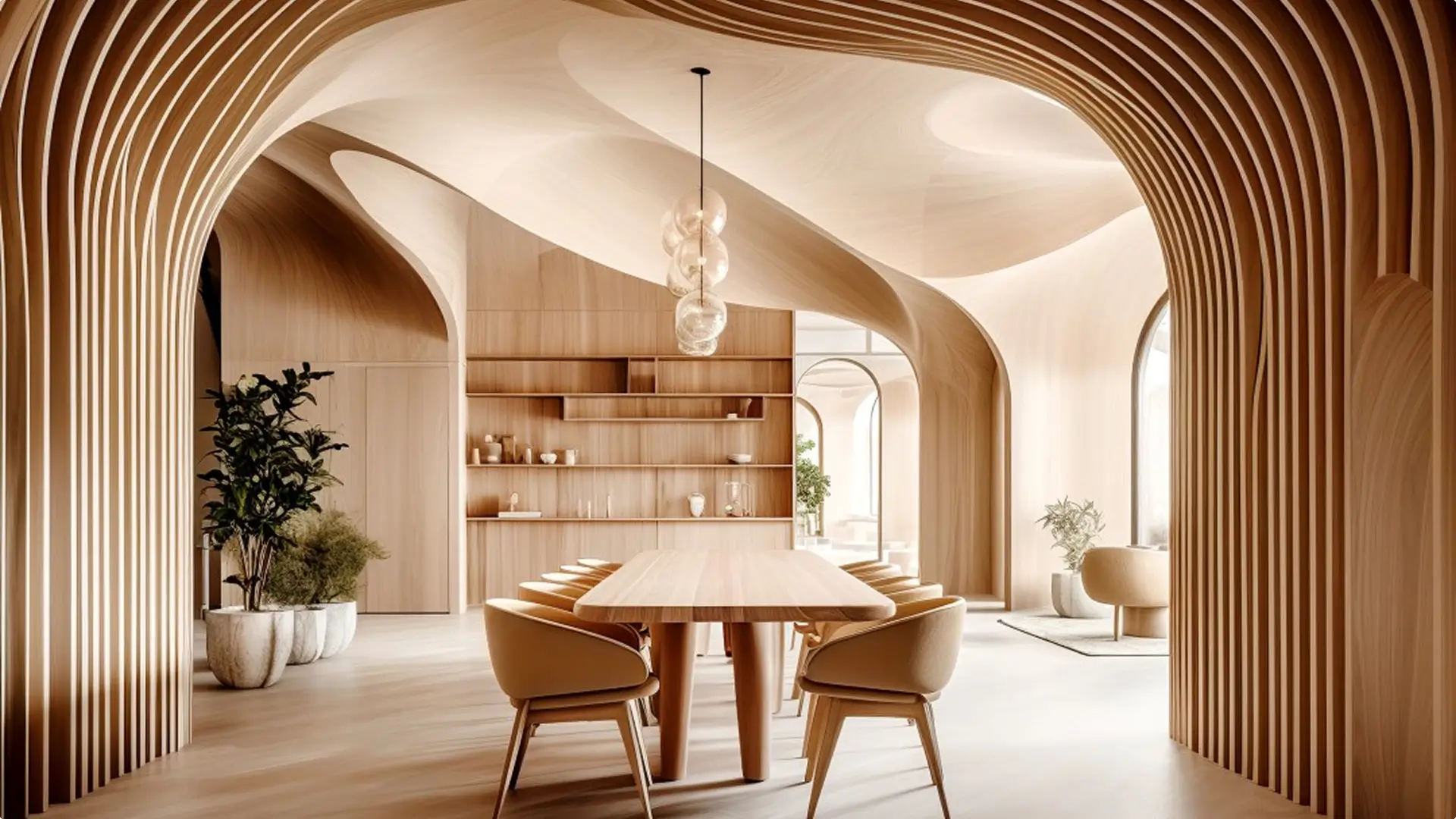
Despite growing sustainability trends, changing minds in Belgium is tough. Traditionally, Belgians are metaphorically born with "a brick in their stomach." The challenge for big group was to drive material preference for timber over traditional alternatives like brick, concrete, steel, and plastic among primary architects and secondary decision-makers (project developers, contractors, and policymakers).
Actively shaping a healthy Belgium
While Fedustria’s previous campaign, focused on CO2 storage and circularity, resonated strongly with industry professionals, it lacked a personal, human connection. At the same time, Belgium was facing a structural "silent epidemic" of stress and burnout. With citizens spending an average of 90% of their lives indoors, the workplace, school, or home were no longer neutral backdrops. Fedustria needed a disruptive way to show that materials do more than just create atmosphere; they can actively shape our health and wellbeing.
Solution
Using neuroscience to drive preference for wood
What if improving a nation's wellbeing could begin with the materials used to build its homes, workplaces and public spaces? This simple thought shaped our entire response, representing an opportunity to move the conversation around wood beyond sustainability and into the realm of human health and wellbeing.
Building a case impossible to ignore
While the benefits of biophilic design have long been recognised, much of the supporting evidence remained fragmented, anecdotal or gathered outside Belgium. Professionals and decision-makers need hard facts, not just inspiring mood boards. To scientifically validate the unique wellbeing benefits of wood, big group partnered with Neurensics to explore the fundamental question: can the materials we build with play an active role in our physical and mental wellbeing?
Quantifying the emotional impact of building materials
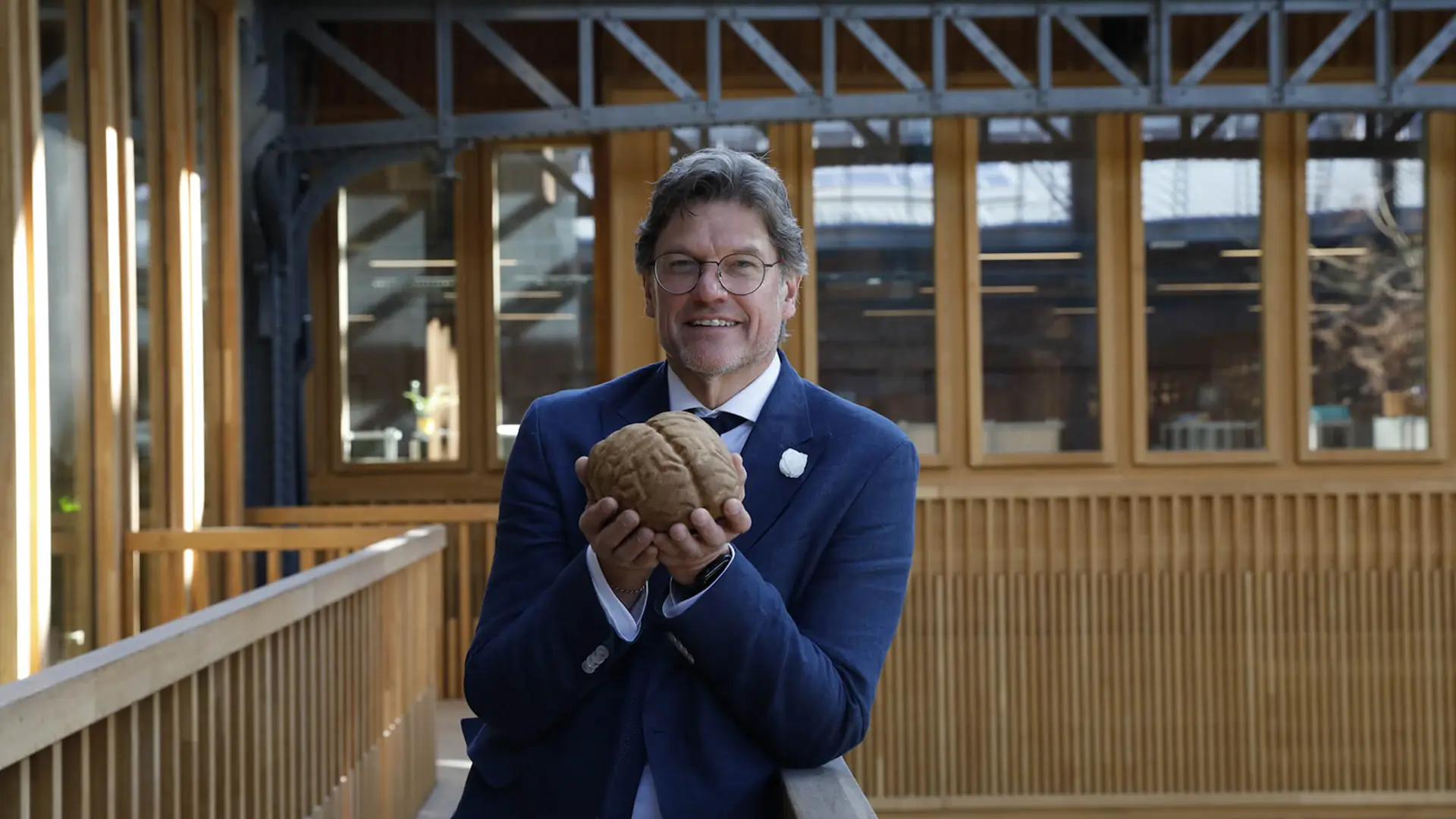
Led by renowned neurologist and brain scientist Prof. Dr. Steven Laureys and Neurensics co-founder Dr. Steven Scholte, we initiated a pioneering neuroscience study using functional MRI (fMRI) brain scans. Participants' responses were tracked in real time as they explored 12 virtual interiors, each centred around a single material: wood, concrete or plastic. This enabled us to visually capture the subconscious emotional and cognitive impact of the different environments directly from the source: the human brain.
Delivering a science-backed omnichannel campaign
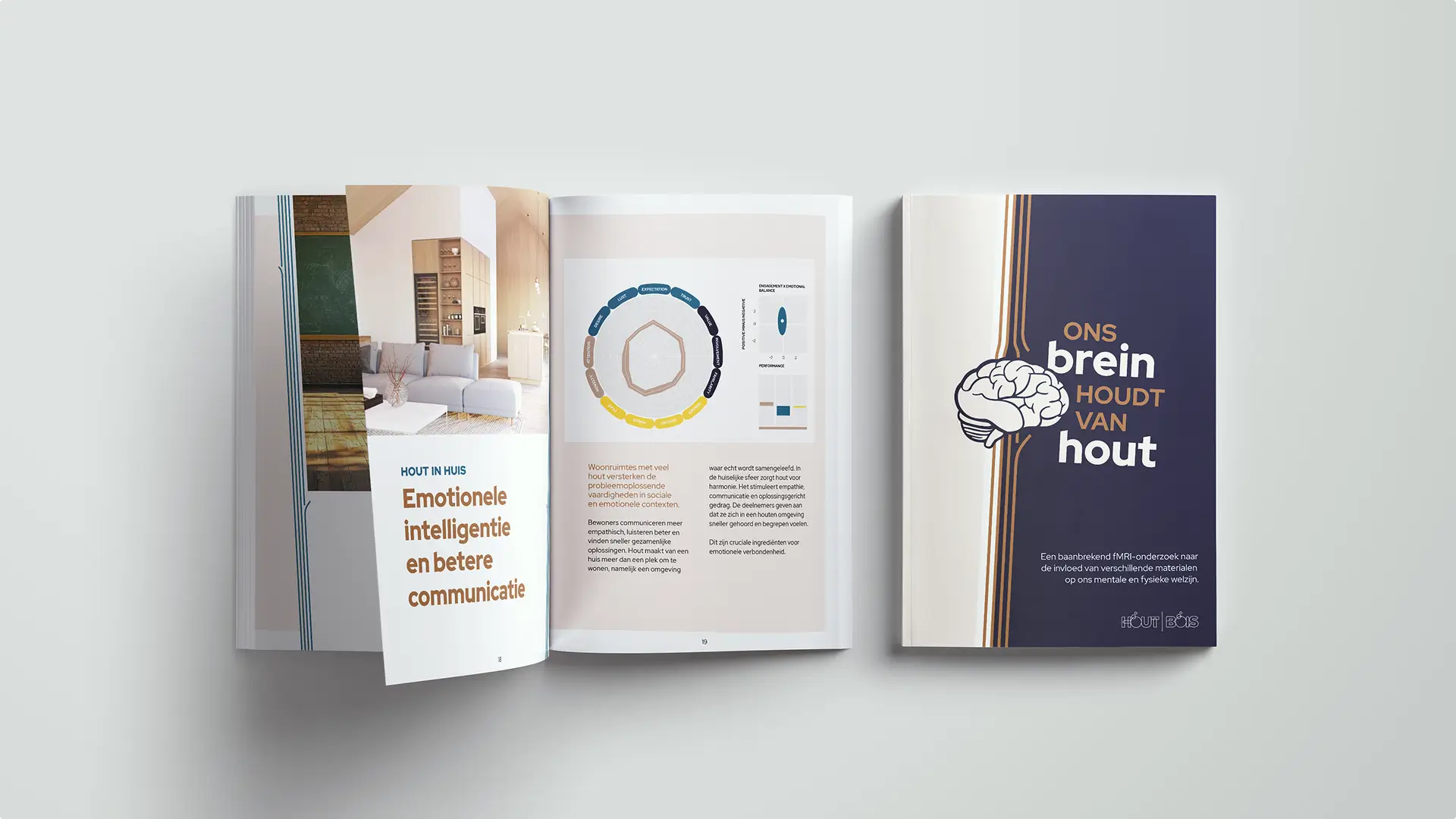
To match the credibility and prestige of the research, the campaign was built around a comprehensive Scientific Research Report. This served as the cornerstone of the launch, providing a powerful platform for PR, stakeholder engagement and industry outreach. The story was brought to life through an online mini-documentary exploring the research process, a dedicated Wood and Wellbeing Dossier featuring real-world case studies, and highly targeted social content tailored to architects, HR managers and project developers.

Results
From scientific proof to national recognition
The fMRI scans showed that wood activates areas of the brain associated with trust, comfort and connection, while reducing responses linked to stress and anxiety. The findings provided compelling scientific evidence that wood can positively influence how people think and feel, enhancing focus, creativity and cognitive performance.
Putting Fedustria at the forefront of the conversation
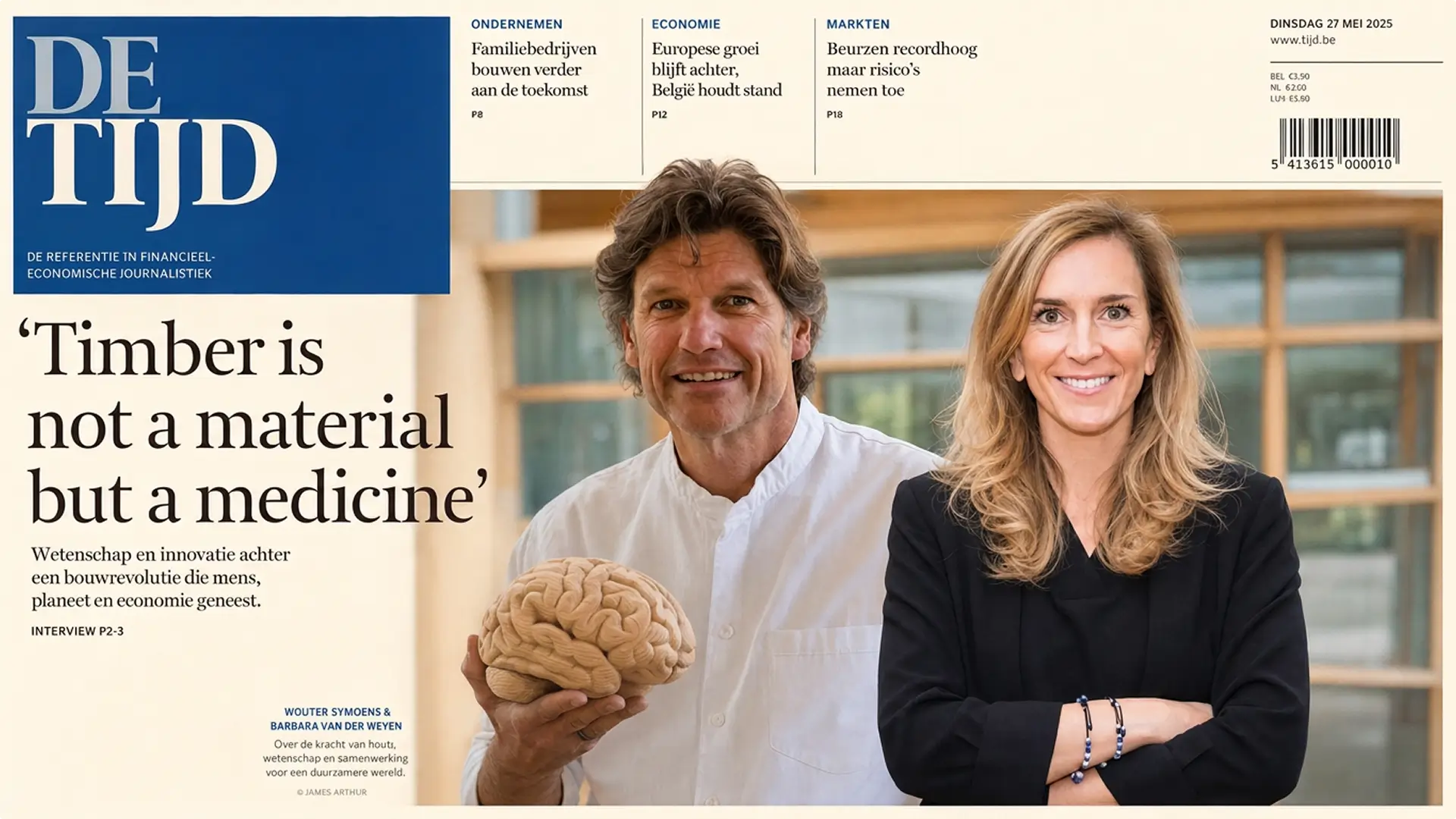
Armed with credible, data-backed insights, Fedustria moved the conversation beyond sustainability and into the wider fields of health, wellbeing and workplace performance. The campaign secured significant earned media coverage across architecture, design and national news platforms, while establishing Fedustria as a recognised voice in discussions around wellbeing, the built environment and biophilic design.
Impact beyond the launch
Today, the research continues to create value beyond the campaign itself, generating speaking opportunities, industry engagement and ongoing visibility for wood as a material that contributes not only to sustainable buildings, but to healthier and more productive spaces.
4.5M
campaign impressions
€930K
earned media value
4.2K+
Scientific Report downloads
The results of this study scientifically confirm what many have intuitively felt for centuries: an environment rich in wood does us a world of good. Our brain loves wood. It is a natural healer for our well-being, helping to actively suppress stress and negative emotions while vastly increasing our subconscious sense of home.

Prof. Dr. Steven Laureys
Neurologist | Excellence Chair, CERVO Brain Research Centre

